
(For the audio version of this blog, please visit: https://brothersinchristcmf.org/wp-content/uploads/2025/08/BIC-Mass-Blog-for-the-20th-Sunday-in-Ordinary-Time-2025.mp3)
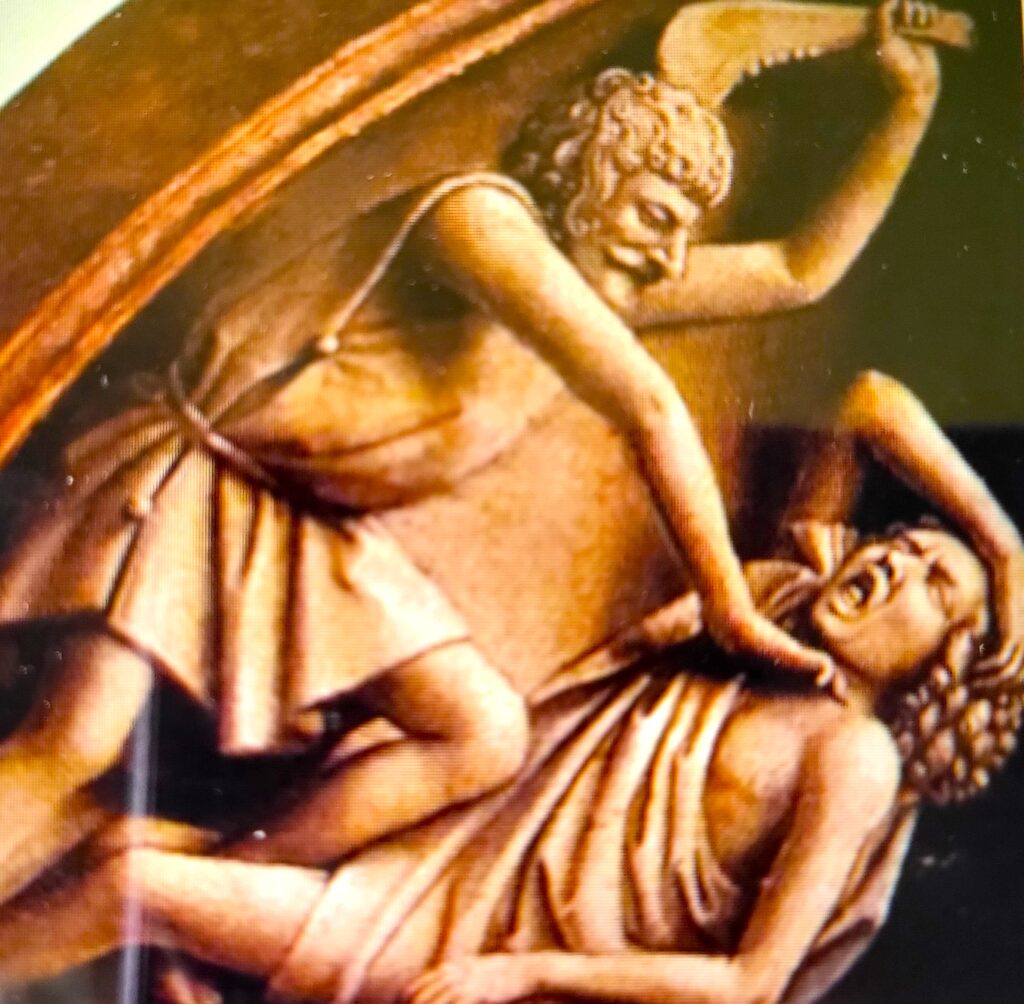
Humanity has created many false gods since the real One created us. Only one of our ungodly creations promises to be the end of us, though. Revenge.
Jesus and the prophets devoted their lives to saving us from that falsest and most fatal of gods. Its power lies in convincing us of our right to get even.
Though God claims the exclusive right to balancing the scales of justice, we jealously try snatching those scales from the hands of the blindfolded lady our legal profession has put on a pedestal. Too bad we keep knocking that pedestal over. It feels so good to do that.
Look how gladly terrorists give their lives to feel that passion while taking the lives of others!
In this Sunday’s first reading (Jeremiah 38:4-6, 8-10), the princes of Judah are terrorists seeking revenge against the prophet Jeremiah. They hated him for warning them away from a whole gamut of the false gods making them feel godly.
“Jeremiah ought to be put to death,” they tell King Zedekiah. “He is demoralizing the soldiers who are left in this city, and all the people, by speaking such things to them.”
What things? That they were all idolatrous, needed to repent and should submit to absolution. Once Jeremiah proclaimed God’s judgment, those terrorists threw him into a mud-filled cistern, giving them comfort that Jeremiah would die a slow death.
But many generations later, Paul, once one of the most passionate revengers against adherents of God’s Way, would quote Deuteronomy in his letter to the Hebrews defending believers from the kind of terrorism he once espoused:
“Vengeance is mine, I will repay,” says the Lord.” (Hebrews 10:30)
Paul called for the toppling of the revenge idol humanity first erected after Cain murdered his brother Abel. He cites the book of Genesis later in his letter to the Hebrews (in the chapter from which we read this Sunday):
“Abel’s blood cried out from the earth for vengeance, but the blood of Jesus has opened the way for everyone, providing cleansing and access to God,” Paul preaches. (Hebrews 12:24)
Paul characterizes God as “a consuming fire” at the conclusion of this section of Hebrews. But remember, fire also cleanses, and Paul advises us to consider how Jesus—who had every right to avenge his own murder by sinners—forgave them, instead, “in order that you may not grow weary and lose heart.”
In Sunday’s gospel reading (Luke 12:49-53), Jesus gives voice to that consuming fire as he warns his disciples of what’s to come as non-believers fight each other over the right to their vengeance idol.
“I have come to set the earth on fire, and how I wish it were already blazing! … Do you think that I have come to establish peace on the earth? No, I tell you, but rather division.”
We are witnessing the refining fire Jesus described. Many terrorists proclaim god is on their side, and they are right. The torches by which they see and serve that false god of vengeance they worship will ultimately destroy them.
But take heart. God the Refiner leaves a narrow door open for faithful remnants to escape the consuming heat of this world’s Babylonian captivity and enter a Kingdom where God the Gardener grows a new creation out of our fertile ashes.
–Tom Andel
Revenge, jealousy, envy, holding a grudge are all toxic forms of the root of all sin – pride. Each of us at some point or other has been susceptible or in fact guilty of these feelings or even actions against others.
The antidote, humility is the greatest of the virtues, yet perhaps the most difficult to master. I fail at it all the time. Just too proud, too self-centered, too unloving.
Jesus gave example after example of pride destroying actions and teachings all the way to Calvary. Maybe it was easier for Him because he is God? Maybe we should remember he gave us the ability to imitate him when he gifted us His Spirit at our Baptism?
Imitation of Christ is our lifelong quest. How are we doing? How can we get better?
Humility isn’t something we can master. It’s the spiritual skeleton upon which we either hang the muscle of virtue or the fat of sin. Reducing fat and building muscle is as important for our spiritual health as it is for our physical well-being. Thomas, removing those sins you listed is a process of revealing our humility. Exercising our virtues gives us the strength to make it to the end of our journey and stand strong before God without an ounce of pride.
You lads are spot on! Bullseye! Bullseye!! Bullseye!! And Boy oh boy does this look like today’s society? Sadly parts of the “reported Church”?
Thanks Skip. And unfortunately, to paraphrase Mark Twain, Reports of the Church’s death in many hearts have NOT been greatly exaggerated.